Digital innovation in dancewear
- Tailoring excellence and digital transformation
- Digital roadmap for design and product development
- 2D pattern making for more efficient and precise processes
- 3D simulations for product variations and sales presentations
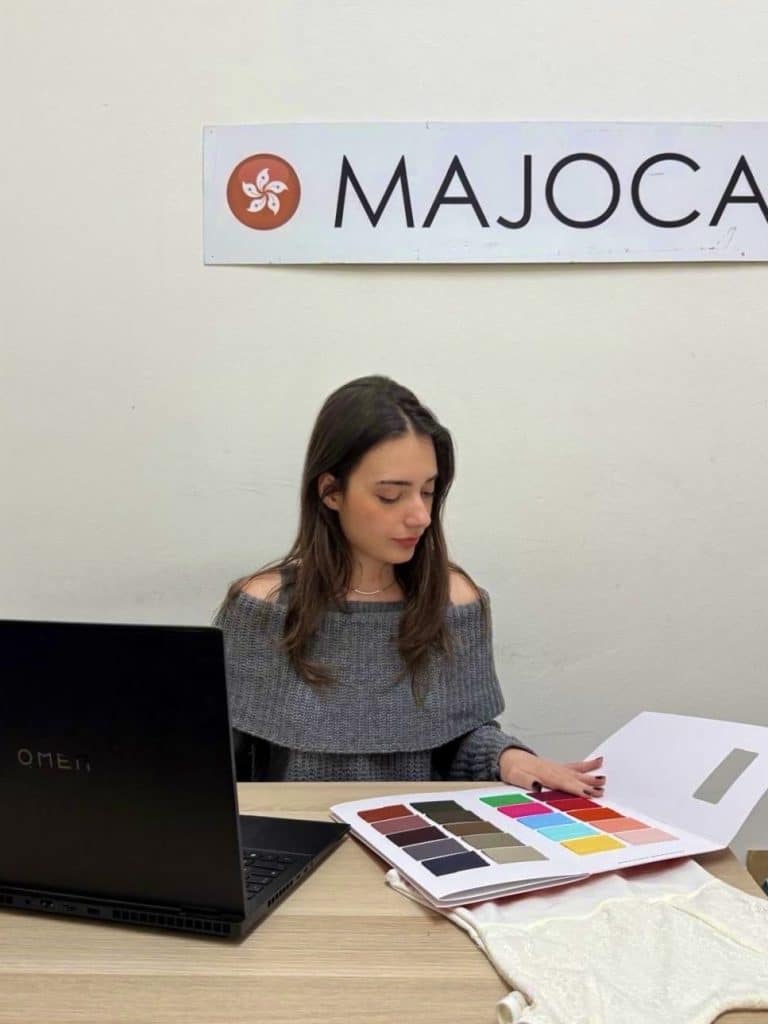
Majoca
The art of shaping dance
In the heart of Catania, Majoca is an Italian tailoring atelier specializing in technical apparel for dance, artistic gymnastics, and performance wear.
A creative workshop that outfits schools, academies, and athletes across Europe, transforming complex technical requirements into garments designed to move, perform, and inspire emotion on stage.
From recital and competition costumes to leotards for gymnastics, figure skating, and synchronized swimming, each creation seamlessly combines functionality, comfort, and stylistic research.
With extensive expertise and ongoing industry exploration, Majoca meticulously refines every detail, staying closely aligned with the constant evolution of fashion and performance wear.
And if dance is movement, Majoca never stands still—it is constantly evolving, both in its stylistic research and in the innovation of its processes. Because every performance deserves a garment worthy of its own story.
About Majoca
- Tailoring atelier specialized in dancewear
- where tradition meets ongoing stylistic innovation
- great attention to garment fit and wearability
- implementation of 2D and 3D digital tools in the production processes
Majoca’s challenges in performance wear
The technical apparel and performance wear industry demands a continuous balance between creativity, precision, and speed. In a market where customization is key, every garment must be designed to meet highly specific requirements in terms of aesthetics, fit, and functionality.
Majoca’s clients expect fully tailored solutions, fast turnaround times, and collections that are always aligned with the latest aesthetic and technical developments in the industry. This demands meticulous attention to detail, precise measurements, and carefully selected materials—without ever compromising on final performance.
However, traditional design processes—based on physical prototyping and manual management of technical data, sizing, and design modules—often result in longer timelines and inefficiencies. The main challenge is therefore to accelerate time-to-market while preserving both the high quality standards and the level of customization that define the brand.
Their digital roadmap
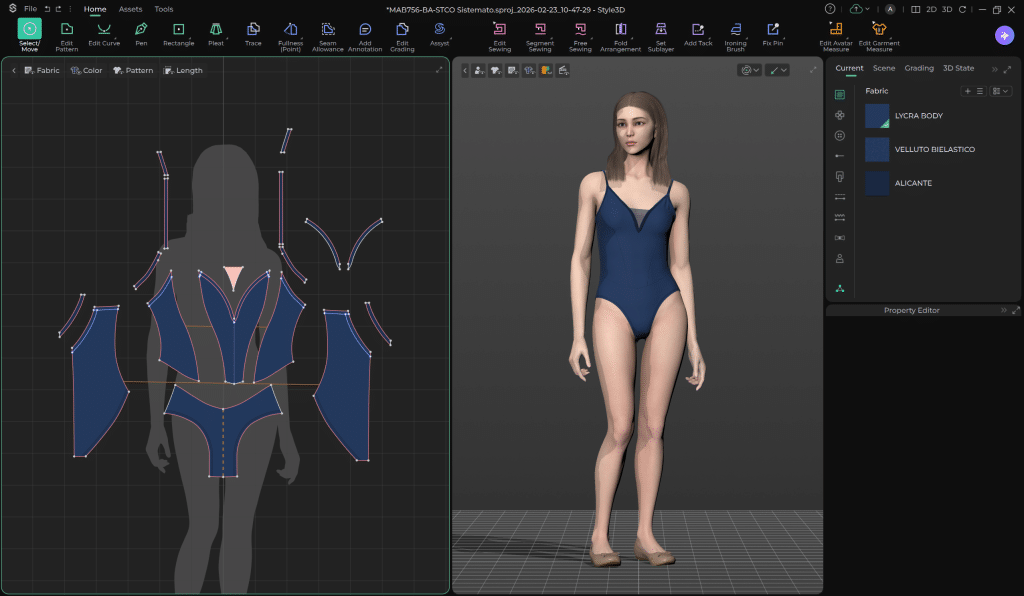
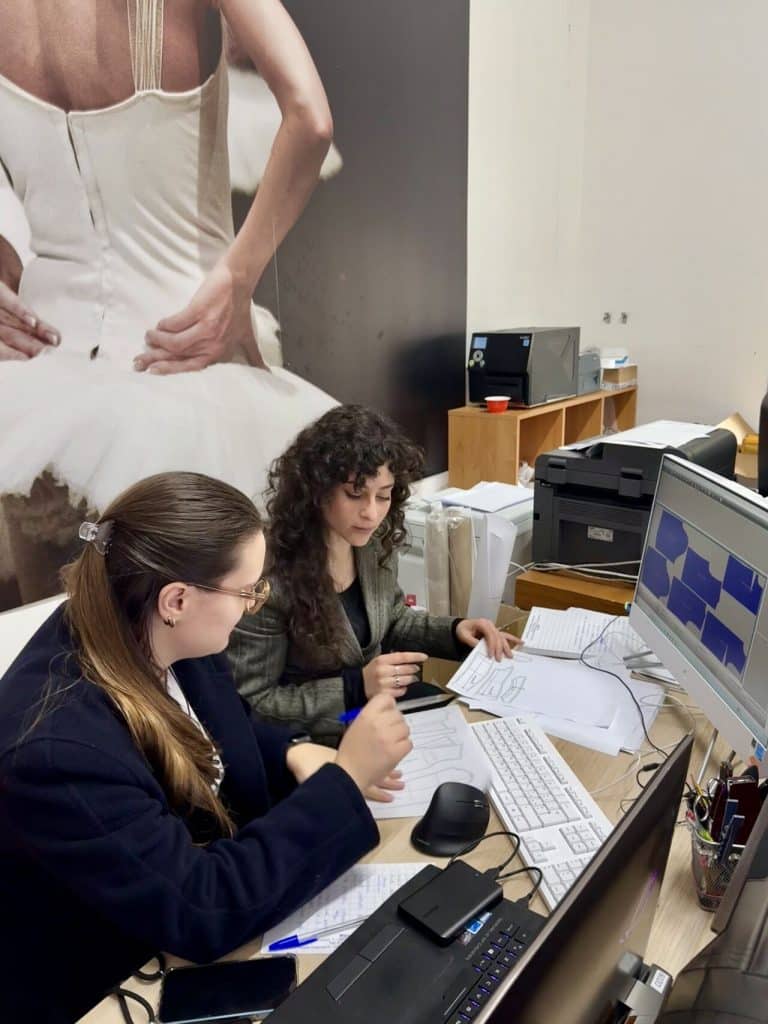
To address these challenges, Majoca defined a roadmap for the digitalization of its design and product development processes. The first step was the digitization of 2D patterns using Cad.Assyst, along with the creation of a structured database of base patterns. This enabled a significant optimization of workflows and greater efficiency in day-to-day operations.
In parallel, the company implemented Style3D Studio for virtual prototyping. This enabled real-time visualization of design variations and faster, more effective collection presentations, significantly reducing the need for physical samples.
The CAD database allows us to work in a much more structured and systematic way, enabling the classification of pattern pieces, as well as their easy search and recombination for future productions. The direct, bidirectional connection with 3D also allows the entire team to work collaboratively, ensuring perfect coordination across all stages of development.
Our processes were entirely manual and craft-based. In the past, we had already attempted to adopt 2D CAD, but without success. With Style3D | Assyst, we found a reliable partner offering powerful and fully integrated solutions.
We were immediately drawn to the capabilities of the 2D CAD system—something we urgently needed—and, at the same time, to the connected and integrated 3D environment, which allowed us to start working in parallel with great efficiency from the very beginning.
The benefits were immediately visible: time and material savings thanks to CAD nesting, and above all a new way of organizing our work, allowing us to be more effective and efficient.
Majoca integrates 2D design and 3D development into a single, coordinated workflow, aiming to make the entire process more efficient, measurable, and replicable.
The digitalization of 2D pattern making is the foundational step of the process, enabling data, measurements, and proportions to be structured with precision and full standardization. Seamless integration with 3D then converts this information into fully verifiable volumes, allowing instant dimensional validation and significantly reducing the risk of errors.
The direct, bidirectional connection with 3D enables the entire team to work in a fully coordinated way, improving efficiency and alignment across all stages of design.
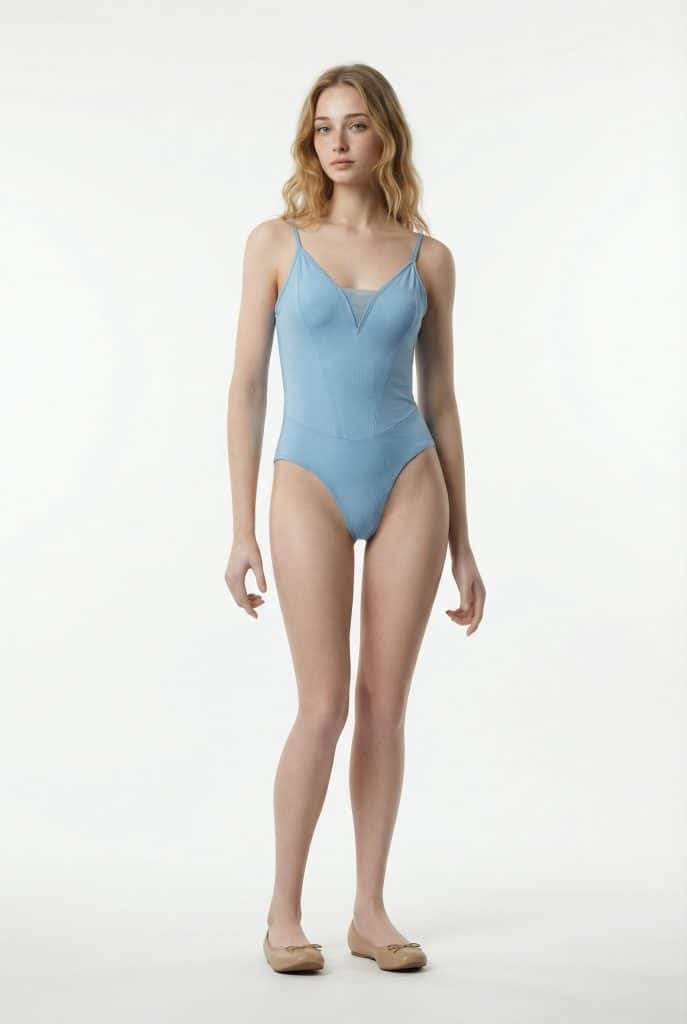
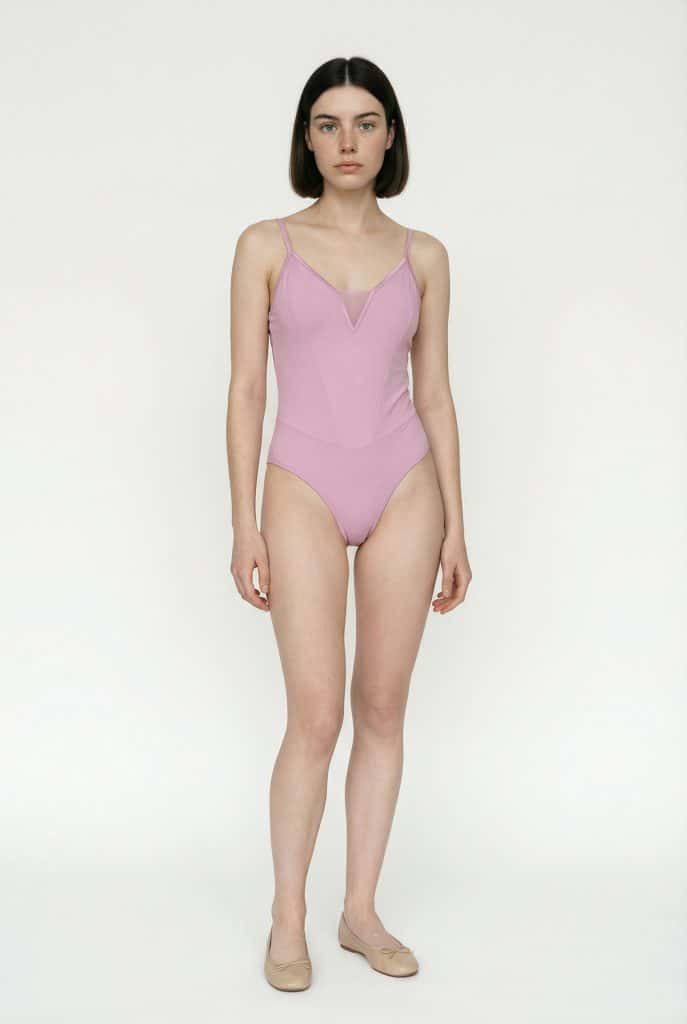
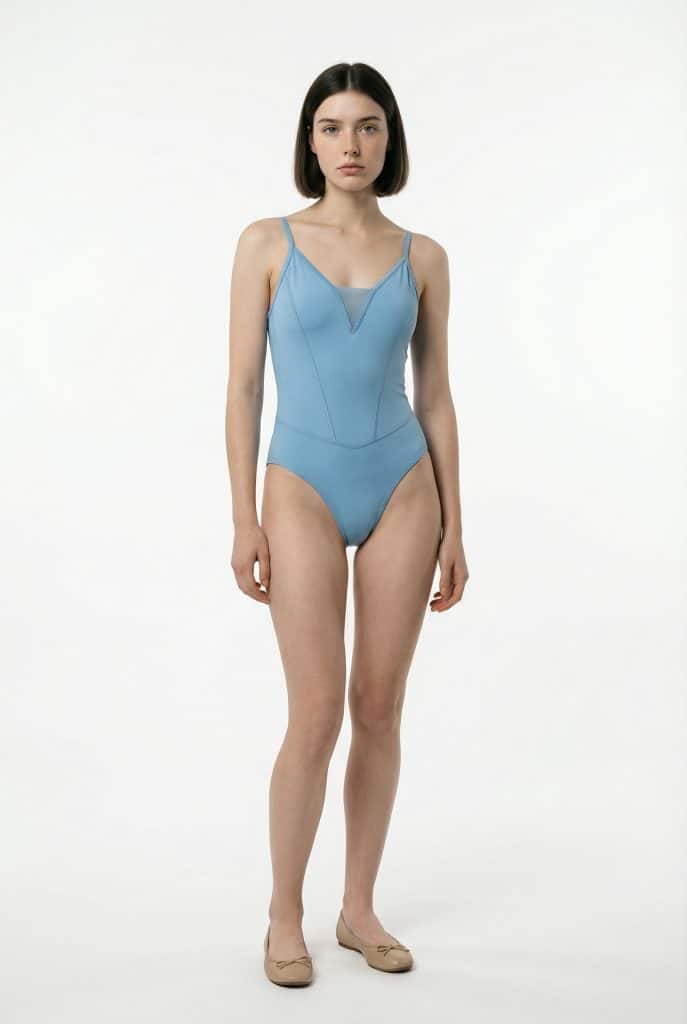
The adoption of these tools has made it possible to present products quickly and effectively: colorways, print customizations, lace details, and accessories can now be visualized in just a few moments.
As a result, the need for physical prototypes has been significantly reduced, and today most garments are presented directly in 3D, eliminating the need for physical samples.
For Majoca, it is essential to carefully craft the visual identity of our products and give customers the ability to customize each garment according to their needs—whether dance schools, theatre companies, or skating teams.
Thanks to 3D technology, we can easily and instantly showcase all possible variations, producing only the final selected option.
Moreover, by combining 2D and 3D tools, we are able to ensure an accurate and consistent garment fit—an aspect we deeply care about and that truly reflects the quality of our creations.
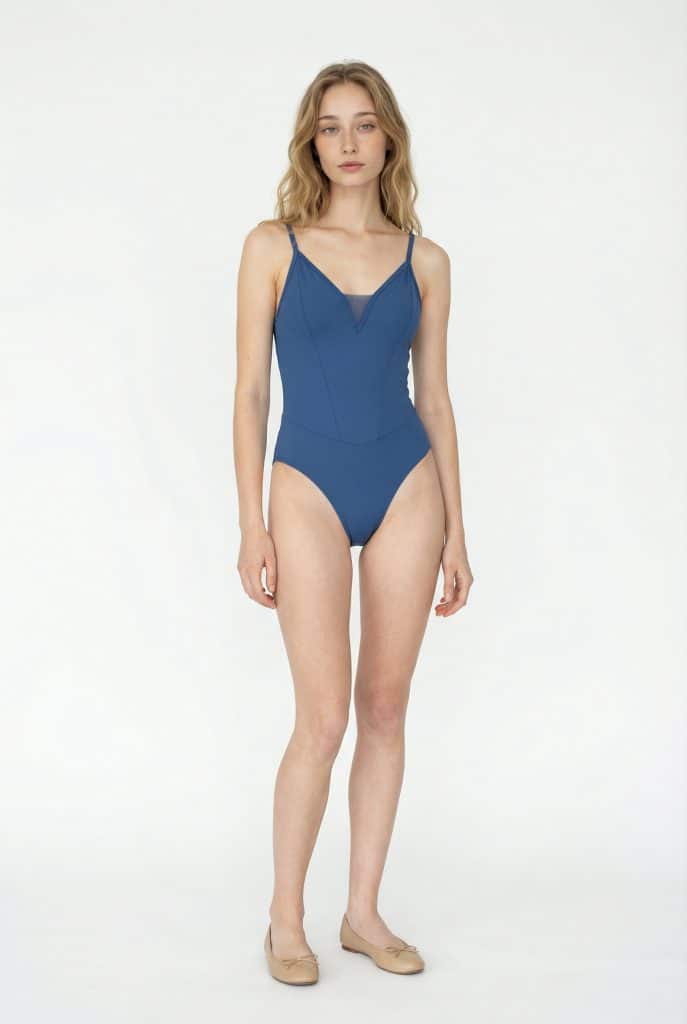
sales-ready presentations and access to new markets
The adoption of 3D has enabled Majoca’s team to present products quickly and effectively. Color variations, print customizations, lace details, and accessories can now be showcased in just a few moments.
As a result, the need for collection prototypes has been significantly reduced: today, most garments are presented exclusively in 3D, eliminating the need for physical samples.
Style3D|ASSYST in Majoca
For the future, we aim to further enhance the integration of 3D and AI, also leveraging digital assets for our e-commerce platform.
At the same time, we see AI as a creative support tool—helping us analyze trends and transform our intuition into increasingly competitive products, while strengthening our design process and decision-making.